

Views: 388 Author: Site Editor Publish Time: 2026-07-29 Origin: Site
High-volume metal manufacturing creates a constant tension on the factory floor. You must balance strict tolerance requirements for complex parts against the relentless demand for lower cycle times. Lowering the cost-per-part often conflicts directly with maintaining precise quality. Traditional linear CNC machining centers inevitably face severe limitations here. They struggle to process high-volume, multi-axis parts efficiently without creating production bottlenecks. Sequential machining simply cannot keep pace with modern supply chain demands. This limitation drives a major industry shift toward custom automated solutions. For manufacturers scaling the production of complex components, a custom Vertical Rotary Transfer Machine offers an unmatched combination of spatial efficiency and simultaneous machining. It guarantees true "hands-off" production reliability on the shop floor. The technology dramatically accelerates output, provided the return on investment model justifies the initial capital expenditure. You will learn how these automated systems bypass sequential bottlenecks, evaluate key integration metrics, and identify specific production volumes requiring this upgrade.
Throughput vs. Complexity: Vertical rotary transfer machines execute simultaneous operations (milling, drilling, tapping) on multiple workpieces, drastically reducing cycle times compared to sequential CNC centers.
Space Optimization: The vertical orientation maximizes spindle density within a compact footprint, saving valuable factory floor space.
Risk and ROI: While requiring significant upfront capital and longer lead times for custom tooling, the break-even point is highly favorable for production runs exceeding 500,000 units annually.
Vendor Selection: Successful deployment relies on partnering with an integrator who thoroughly understands your specific chip management, coolant, and part-handling automation requirements.
Factory floors eventually reach a distinct breaking point during rapid growth. You notice it first when persistent labor shortages disrupt your delivery schedules. You see it clearly when work-in-progress inventory clogs the manufacturing aisles. Cycle times on complex 5-axis parts become totally unacceptable for mass production quotas. These constraints serve as critical threshold markers. They signal manufacturers to seek superior automated solutions beyond standard equipment.
Traditional CNC machining centers process operations sequentially. A single spindle cuts one feature before moving to the next task. This methodology creates inherent bottlenecks by design. When parts require multiple re-chuckings or complex cross-hole drilling, efficiency plummets drastically. Standard machines force you to queue parts between distinct operations. This idle time wastes money and introduces manual handling errors.
You must accurately identify the transition point in your business. Specific volume and complexity triggers signal a necessary pivot in manufacturing strategy. Standard multi-tasking lathes and mills work perfectly for low-volume batches. However, scaling up requires dedicated transfer line architectures to maintain profitability. If your annual volumes approach the half-million mark, standard CNCs fall short. You need parallel processing to meet aggressive customer demand.
The core architecture of a vertical transfer system completely transforms how you manufacture. A central indexing table rotates workpieces rapidly between multiple dedicated stations. Vertical and horizontal workstations operate simultaneously on different parts. This parallel processing methodology defines the entire solution category. You achieve massive throughput because idle time disappears.
Let us contrast vertical systems with traditional horizontal transfer machines. A vertical orientation provides major mechanical advantages. Gravity-assisted chip evacuation keeps the fixtures clear naturally during heavy cutting. Horizontal machines often trap metal chips, causing immediate tolerance failures and tool breakage. Operator ergonomics improve significantly because stations remain easily accessible. The vertical design also offers vastly superior floor-space utilization.
Extensive customization forms the baseline of modern transfer technology. You can dictate specific module integration for your unique components. You might add in-process gauging for immediate quality control checks. You can integrate automated bar feeding or robotic unloading seamlessly into the cell. You tailor the entire machine precisely to the component's engineering blueprint. This flexibility creates a highly reliable, hands-off production environment.
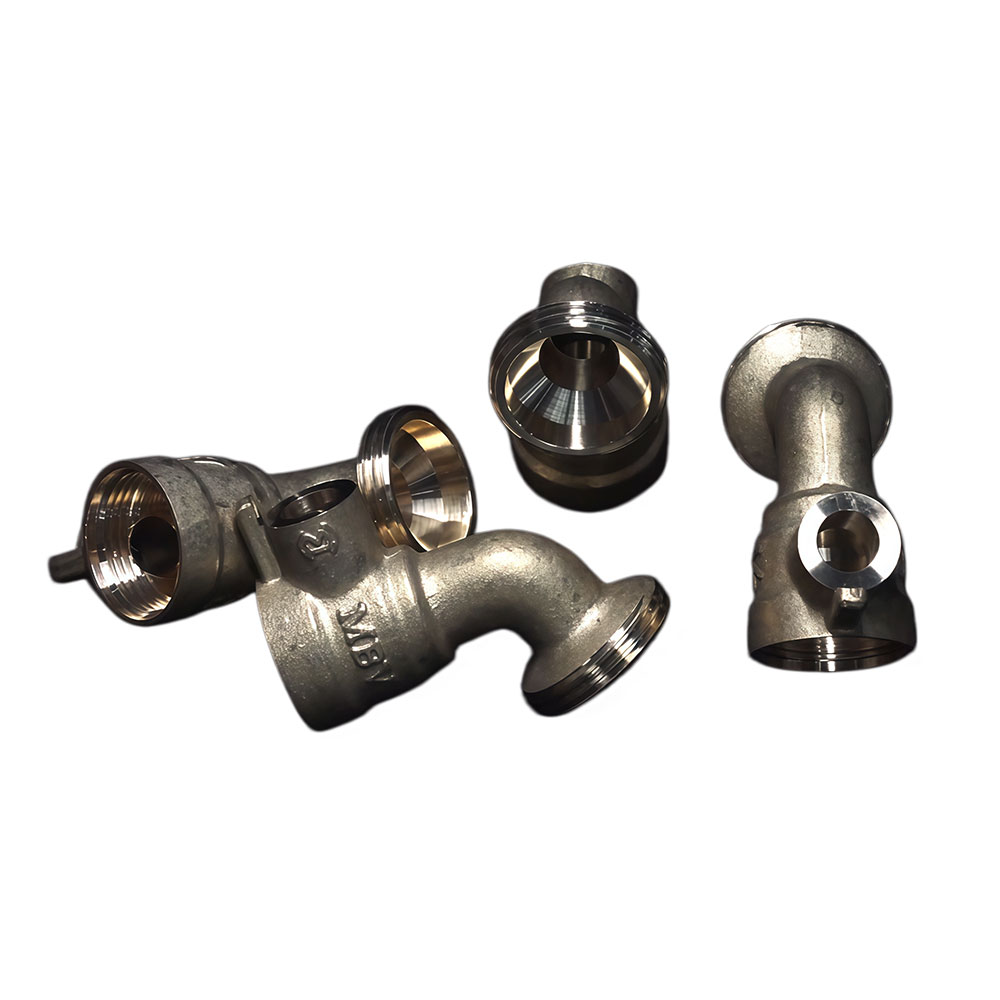
The fundamental advantage lies directly in simultaneous machining capabilities. A traditional machine adds the cycle time of every single operation together. A rotary transfer system operates entirely differently. The overall cycle time equals the single longest operation only. The central indexing table moves only when the slowest station finishes cutting. Engineers can split long, complex cuts across two separate stations to slash cycle times even further.
High precision demands exceptional structural integrity from the machine base. These systems utilize massive, vertical cast-iron bases to anchor the stations. This mechanical rigidity absorbs heavy milling vibrations effortlessly. You need consistent repeatability across massive high-volume runs. Modern machines maintain excellent Process Capability Index (CpK) values reliably. They achieve this tight precision without any manual operator intervention. Rigid bases prevent tool deflection, securing tight tolerances on tough aerospace alloys.
Industry veterans often label older transfer machines as entirely inflexible. This historical stigma no longer applies to modern equipment. CNC-controlled modular units have changed the manufacturing game entirely. You can execute much faster changeovers between different part families now. You simply load a new CNC program and swap standard quick-change fixtures. This modern approach blends high volume output with critical operational agility.
Factory floor space always carries a premium price tag. You must calculate the footprint-to-output ratio carefully during facility planning. The vertical orientation maximizes spindle density by utilizing vertical space. Compare the floor space of one vertical machine against multiple standard machines. You typically need four to six standard CNCs to match its daily output.
Production Metric | Standard CNC Workcells (Qty: 5) | Custom Vertical Transfer (Qty: 1) |
|---|---|---|
Floor Space Required | 1,200 sq ft | 250 sq ft |
Operator Headcount | 3 to 5 Operators | 1 Operator |
Handling Steps | Multiple manual transfers | Zero (Automated) |
Chip Management | Prone to accumulation | Gravity assisted |
We must acknowledge the skeptical assessment of automation realistically. A custom Vertical Rotary Transfer Machine represents a heavy capital expenditure. This high CapEx requires rigorous financial justification before board approval. You need transparent assumptions regarding minimum annual production volumes. Typically, part production must hit 500,000 to over one million parts. This specific volume ensures a highly favorable 18- to 24-month return on investment.
Adoption risks certainly exist alongside the operational benefits. Maintenance complexity increases significantly with custom automated machinery. You must provide specialized operator training to ensure smooth daily operations. You must also understand the risk of unified downtime. If the transfer machine goes down, the entire production line halts immediately. Multiple redundant CNCs do not face this exact single-point failure risk. Therefore, strict preventative maintenance schedules become absolutely vital for success.
Advanced compliance and traceability capabilities offset these operational risks. Integrated probing verifies critical dimensions before parts unload from the machine. Automated sorting mechanisms categorize passing and failing components immediately. These advanced features align perfectly with strict ISO/TS compliance requirements. Automotive and aerospace suppliers rely heavily on this integrated quality assurance to maintain contracts.
Selecting the right machine builder ultimately determines your project success. You must follow a strict shortlisting logic to mitigate deployment risks. Begin by executing a comprehensive application review before approaching any vendors.
Audit your part drawings carefully to identify the tightest tolerance zones.
Document exact material specifications, including specific hardness levels and chip characteristics.
Determine target cycle time requirements based strictly on your annual quotas.
Identify necessary secondary operations suitable for robotic integration.
Next, you must establish a rigorous vendor evaluation framework. Look for proven engineering experience handling your specific material. Brass machines very differently than tough aerospace stainless steel. Assess their turnkey capabilities thoroughly during facility visits. Do they handle all custom fixturing in-house? Can they manage complex automation integration directly? Do they conduct robust factory acceptance testing before shipping?
Finally, demand completely transparent run-off criteria in your initial RFQ. Do not accept vague performance promises from sales representatives. Insist on guaranteed cycle time service level agreements in the contract. Builders must prove the machine hits the required CpK target during a live trial run.
You must view custom automation as a strategic business growth lever. A Vertical Rotary Transfer Machine is not a universal solution for every single machine shop. It remains a highly targeted, high-yield asset for complex mass production. The right custom build transitions a factory dramatically. It eliminates labor-intensive sequential processing permanently. You achieve predictable, high-margin, hands-off production instead.
To move forward successfully, implement these critical next steps:
Confirm your annual production volume exceeds the minimum 500,000 unit justification threshold.
Evaluate your current part families to maximize machine utilization across similar geometries.
Prioritize vertical designs if limited floor space restricts your factory expansion plans.
Conduct a detailed per-part cost analysis based on simultaneous machining cycle times.
Submit a complex part print to a trusted machine builder for a formal feasibility study.
A: Manufacturers typically need annual volumes exceeding 500,000 units. This volume threshold ensures a favorable return on investment within 18 to 24 months. However, highly complex, high-margin parts with critical tolerances can sometimes justify the expenditure at lower volumes. The key financial metric remains overall spindle utilization.
A: A vertical system offers superior floor-space utilization by stacking components vertically. Gravity assists naturally in chip evacuation, preventing metal shavings from fouling the fixtures. Vertical bases also provide enhanced structural rigidity. This design significantly reduces vibration, improving tool life and surface finish compared to horizontal setups.
A: Yes. Older mechanical or cam-driven transfer machines were notoriously inflexible. Modern systems utilize advanced CNC-equipped modular stations. Operators can load new programs and swap standardized quick-change fixtures rapidly. This technology drastically reduces changeover times, allowing highly agile processing across different members of a single part family.
A: These advanced systems excel with a wide variety of industrial materials. Common choices include aluminum, brass, steel alloys, and stainless steel. Engineers customize spindle speeds, cutting tools, and high-pressure coolant delivery specifically for the chosen material's machinability. This customization ensures optimal chip breaking and prolonged tool life.


